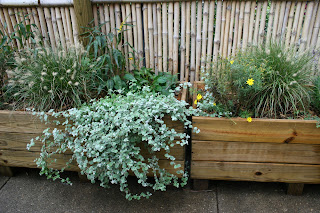
 Now that you have taken the first step to improve your lawn, proper Care and maintenance must be next on your list. Keep in mind that sun, rain, and vehicle smoke can damage your new Landscape so you should do the suitable routines as the homeowner. Your artificial grass and natural Plants still need your attention even though you have reliable products and services. Keeping the quality of your yard is simple if you know what to do. Watering, adding fertilizers, pruning, and applying mulch may depend on the size and requirements of your Plants. Fortunately, you can focus on growing and caring for your herbs and flowers because synthetic lawn requires little attention. Here are some tips on looking after your new Landscape. Water your Plants everyday Every plant needs water to grow and develop. Many homeowners make a mistake and prevent these activities because they under or over pour water on their Plants. Both can lead to withering so it is important to learn about the proper amount of water and way of watering they require. You may have to know the type of your soil and plant to get the suitable measurement. Consulting your Landscape provider can help because they give watering instructions for their products. You must also decide if you want to water them using a hose or a can. Roots absorb the water so pour it mainly on the soil, not on the leaves. Add fertilizers every season Most homeowners ask if a plant can sustain its life just by sun and water. This can be possible but with little nutrients from these elements, your plant may become weak when exposed to natural forces such as wind and pests. You can reduce these risks by giving them the proper nourishment through fertilizers. Landscape providers usually apply fertilizers at the time of planting. You may rely on this for the crucial first few weeks but your Plants need nutrients as they grow. Be Careful, however, because over stuffing fertilizers on the soil are also not suitable. Keep it in moderation and add after every season. Prune when necessary Over time, your Plants may develop weak parts such as damaged branches or withering trees. Prune and remove these elements to be sure of your plants continuous growth. These can prevent maturity because they suck in the nutrients meant for the whole plant. Certain risks come in the pruning process. Be Careful because you may cut healthy parts along with the deceased or excess ones. You can avoid these situations by examining the Plants Carefully. Most Landscape providers offer pruning services so do not hesitate to call them again. Apply mulch Mulch can make a big difference to your plants growth. It helps prevent the development of weeds and prevent soil erosion. You can also rely on these substances to regulate the soil temperature and keep the water on the ground longer. Making mulch is simple because artificial grass, stones, leaves, seaweed, and wood ashes usually serve. These are some tips on taking Care of your new Landscape Plants. Keep these in mind and visit websites like www.turfdirect.com.au to help for your lawn needs. Denise G Fullerton works in the Landscape industry and gives tips on maintaining the quality of lawns and Plants.
 Thursday, March 6, 2014
How To Take Care of Your Landscape Plants
Now that you have taken the first step to improve your lawn, proper Care and maintenance must be next on your list. Keep in mind that sun, rain, and vehicle smoke can damage your new Landscape so you should do the suitable routines as the homeowner. Your artificial grass and natural Plants still need your attention even though you have reliable products and services. Keeping the quality of your yard is simple if you know what to do. Watering, adding fertilizers, pruning, and applying mulch may depend on the size and requirements of your Plants. Fortunately, you can focus on growing and caring for your herbs and flowers because synthetic lawn requires little attention. Here are some tips on looking after your new Landscape. Water your Plants everyday Every plant needs water to grow and develop. Many homeowners make a mistake and prevent these activities because they under or over pour water on their Plants. Both can lead to withering so it is important to learn about the proper amount of water and way of watering they require. You may have to know the type of your soil and plant to get the suitable measurement. Consulting your Landscape provider can help because they give watering instructions for their products. You must also decide if you want to water them using a hose or a can. Roots absorb the water so pour it mainly on the soil, not on the leaves. Add fertilizers every season Most homeowners ask if a plant can sustain its life just by sun and water. This can be possible but with little nutrients from these elements, your plant may become weak when exposed to natural forces such as wind and pests. You can reduce these risks by giving them the proper nourishment through fertilizers. Landscape providers usually apply fertilizers at the time of planting. You may rely on this for the crucial first few weeks but your Plants need nutrients as they grow. Be Careful, however, because over stuffing fertilizers on the soil are also not suitable. Keep it in moderation and add after every season. Prune when necessary Over time, your Plants may develop weak parts such as damaged branches or withering trees. Prune and remove these elements to be sure of your plants continuous growth. These can prevent maturity because they suck in the nutrients meant for the whole plant. Certain risks come in the pruning process. Be Careful because you may cut healthy parts along with the deceased or excess ones. You can avoid these situations by examining the Plants Carefully. Most Landscape providers offer pruning services so do not hesitate to call them again. Apply mulch Mulch can make a big difference to your plants growth. It helps prevent the development of weeds and prevent soil erosion. You can also rely on these substances to regulate the soil temperature and keep the water on the ground longer. Making mulch is simple because artificial grass, stones, leaves, seaweed, and wood ashes usually serve. These are some tips on taking Care of your new Landscape Plants. Keep these in mind and visit websites like www.turfdirect.com.au to help for your lawn needs. Denise G Fullerton works in the Landscape industry and gives tips on maintaining the quality of lawns and Plants. 
Wednesday, March 5, 2014
Lysiloma
Lysiloma
Lysiloma candidum
Some records include: fastest recorded growth rate - 10 feet; 2 year - 13 feet; 3 years - 17 feet; 6 years - 20 feet; 8 years - 25 feet; 9 years - 30 feet.
Lysiloma divicartum
Some records include: 3 years - 5 feet; 5 year - 7.5 feet; 9 years - 13 feet; 13 years - 15 feet.
Lysiloma latisiliqum ( Bahama Lysiloma )
A spreading large evergreen tree native to southern Florida, the Bahamas & the Caribbean. It is an excellent shade tree for tropical regions.
Some records include: largest on record - 70 x 72 feet with a trunk diameter of 4.5 feet.
The bipinnate leaves, up to 8 inches in length, are composed of 2 to 6 pairs of pinnae, each with many oblong leaflets, up to 0.6 x 0.2 inches.
The small, globular white flowers are borne in clusters.
They are followed by pointed reddish-brown pods, up to 7 inches in length. The seed pods contain oval dark brown seeds, up to 0.5 inches.
The branches do not have spines.
The bark is whitish and scaly.
Hardy zones 10 to 12. Tolerant of drought, salt air, salty soil, storms and wind.
Young trees should be pruned to a central leader and feathered ( shortening and spacing side branches ) to prevent later wind damage.
* photo taken on Jan 11 2011 @ Deerfield Beach Arboretum, Florida

* video found on Youtube
Lysiloma microphylla
Some records include: largest on record - 33 x 40 feet with a trunk diameter of 1.5 feet.
Lysiloma sabicu
A fast growing, medium-size tree. Some records include: fastest recorded growth rate - 4 feet; 15 years - 30 x 25 feet; largest on record - 50 x 35 feet.
Hardy zones 10 to 12, it is very tolerant of drought and salt.
* photo taken on Jan 11 2011 @ Deerfield Beach Arboretum, Florida


Lysiloma thornberi
A small tree native to southern Arizona and northern Mexico. Some records include: fastest growth rate on record - 4 feet; largest on record - 50 x 45 feet with a trunk diameter of 2 feet.
The bipinnate leaves
Hardy zones 9 to 10, tolerating as low as 20 F
Lysiloma watsonii
Some records include: 3 years - 6 feet; eventually 13 feet.
Read More..
Lysiloma candidum
Some records include: fastest recorded growth rate - 10 feet; 2 year - 13 feet; 3 years - 17 feet; 6 years - 20 feet; 8 years - 25 feet; 9 years - 30 feet.
Lysiloma divicartum
Some records include: 3 years - 5 feet; 5 year - 7.5 feet; 9 years - 13 feet; 13 years - 15 feet.
Lysiloma latisiliqum ( Bahama Lysiloma )
A spreading large evergreen tree native to southern Florida, the Bahamas & the Caribbean. It is an excellent shade tree for tropical regions.
Some records include: largest on record - 70 x 72 feet with a trunk diameter of 4.5 feet.
The bipinnate leaves, up to 8 inches in length, are composed of 2 to 6 pairs of pinnae, each with many oblong leaflets, up to 0.6 x 0.2 inches.
The small, globular white flowers are borne in clusters.
They are followed by pointed reddish-brown pods, up to 7 inches in length. The seed pods contain oval dark brown seeds, up to 0.5 inches.
The branches do not have spines.
The bark is whitish and scaly.
Hardy zones 10 to 12. Tolerant of drought, salt air, salty soil, storms and wind.
Young trees should be pruned to a central leader and feathered ( shortening and spacing side branches ) to prevent later wind damage.
* photo taken on Jan 11 2011 @ Deerfield Beach Arboretum, Florida
* video found on Youtube
Lysiloma microphylla
Some records include: largest on record - 33 x 40 feet with a trunk diameter of 1.5 feet.
Lysiloma sabicu
A fast growing, medium-size tree. Some records include: fastest recorded growth rate - 4 feet; 15 years - 30 x 25 feet; largest on record - 50 x 35 feet.
Hardy zones 10 to 12, it is very tolerant of drought and salt.
* photo taken on Jan 11 2011 @ Deerfield Beach Arboretum, Florida
Lysiloma thornberi
A small tree native to southern Arizona and northern Mexico. Some records include: fastest growth rate on record - 4 feet; largest on record - 50 x 45 feet with a trunk diameter of 2 feet.
The bipinnate leaves
Hardy zones 9 to 10, tolerating as low as 20 F
Lysiloma watsonii
Some records include: 3 years - 6 feet; eventually 13 feet.
Alternatives to Fire Logs Fire Stones Balls Shape Kits

We here at Warming Trends realize that the usual gas fire logs are not for everybody. Many people with modern or contemporary home decor prefer options where logs simply wouldnt work. We offer the latest innovations in fire log alternatives with Fire Stones, Fire Balls & Fire Shapes.

Each of the fire objects are made from the same fire-proof material as the gas logs. Objects are available in a variety of colors and will last with the lifetime of your outdoor fire pit or fireplace.

Fire Shape sets are available in natural colors (tannish gray, the base material color) as well as seven ceramic stain colors made from Rasmussens proprietary formulation, including White, Black, Dark Gray, Light Gray, Beige, Brown and Adobe Red.

So if you are interested in a contemporary alternative to traditional fire logs, please visit us online or contact us today! 1-877-556-5255.




Indigenous Beauties Cross Berry
Its easy to find plants to admire this time of the year, when everything is looking so lush and green, and every plant is bursting with extravagant flowers.

Grewia occidentalis
Cross Berry
The Cross Berry (Grewia occidentalis) though, is one of those plants that seem to be easily over-looked. Its never one for histrionics. The flowers which start in Summer, are never showy, but are always pretty. Birds and butterflies are not superficial however, and know a Grewias real value and will often be found eating the 4-lobed fruit from which it derives its name.
It ranges in height from 2-5m, and will grow in Sun or Shade. It is semi-deciduous - in optimum conditions it wont lose too many leaves. Its a great tree for a small garden, and will often form more than one stem. It looks even better when planted to form a grove of Cross Berries.
If youre looking for other small trees for small gardens, check this previous post.
It ranges in height from 2-5m, and will grow in Sun or Shade. It is semi-deciduous - in optimum conditions it wont lose too many leaves. Its a great tree for a small garden, and will often form more than one stem. It looks even better when planted to form a grove of Cross Berries.
If youre looking for other small trees for small gardens, check this previous post.
Tuesday, March 4, 2014
Planning a Beachfront Getaway
Its been a busy month, with so much happening. Trying to finish up work within deadlines is always tough, but its made a little easier when one of the deadlines is a holiday.
A friend asked for some advice in landscaping the beachfront holiday home hes decorating. In return, he offered the place for us to take a holiday at. I think we delayed it 3 times before eventually taking the gap, and having a break.
It was set behind some coastal forest on the KZN North Coast, and was quite idyllic. I always find it hard to switch off when on holiday - Im always thinking about the gardens Im planning, and the things I havent managed to get to yet. But in such a peaceful place, with the sound of the waves in the background, it was a whole lot easier.
In sitting down to plan the garden, I decided to take photos of the whole process and put it into a video. So here it is (with a special guest appearance while I stepped out of the room):
Read More..
A friend asked for some advice in landscaping the beachfront holiday home hes decorating. In return, he offered the place for us to take a holiday at. I think we delayed it 3 times before eventually taking the gap, and having a break.
It was set behind some coastal forest on the KZN North Coast, and was quite idyllic. I always find it hard to switch off when on holiday - Im always thinking about the gardens Im planning, and the things I havent managed to get to yet. But in such a peaceful place, with the sound of the waves in the background, it was a whole lot easier.
In sitting down to plan the garden, I decided to take photos of the whole process and put it into a video. So here it is (with a special guest appearance while I stepped out of the room):

Subscribe to:
Posts (Atom)